
Aged Well
The Royal Hotel
Four years after 57 Edwin chairs entered service atThe Royal Hotel, we returned to see what continuous daily restaurant use could tell us about thoughtful design, craftsmanship and longevity.
Photography: William Bache
Since day one, we've talked about making furniture that is built to last, meant to be used, loved and shared, and made to age well. That belief shapes the way we design and build, from the design language we use to the materials we choose to the techniques and craftsmanship behind each piece.
But do these choices really make a difference?
Now that some of it has seen real use, we're returning to pieces and projects to understand how they've performed, how they've aged, what has held up, what hasn't, and what time can teach us about the decisions we make when we design and build.
That's the idea behind Aged Well.
Let's start at The Royal in Picton, Prince Edward County, where the Edwin has been in the dining room since 2022.
Going Back
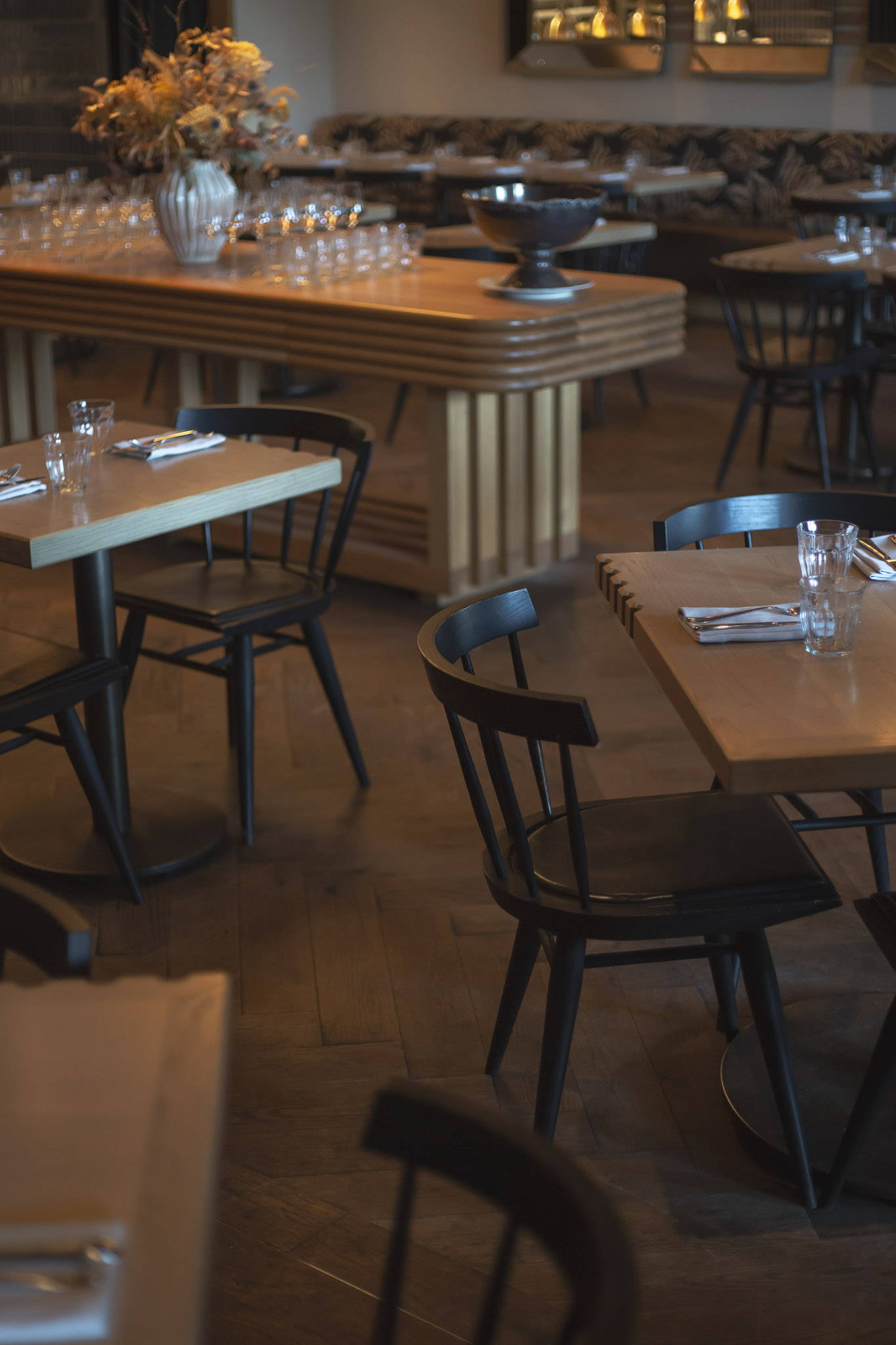
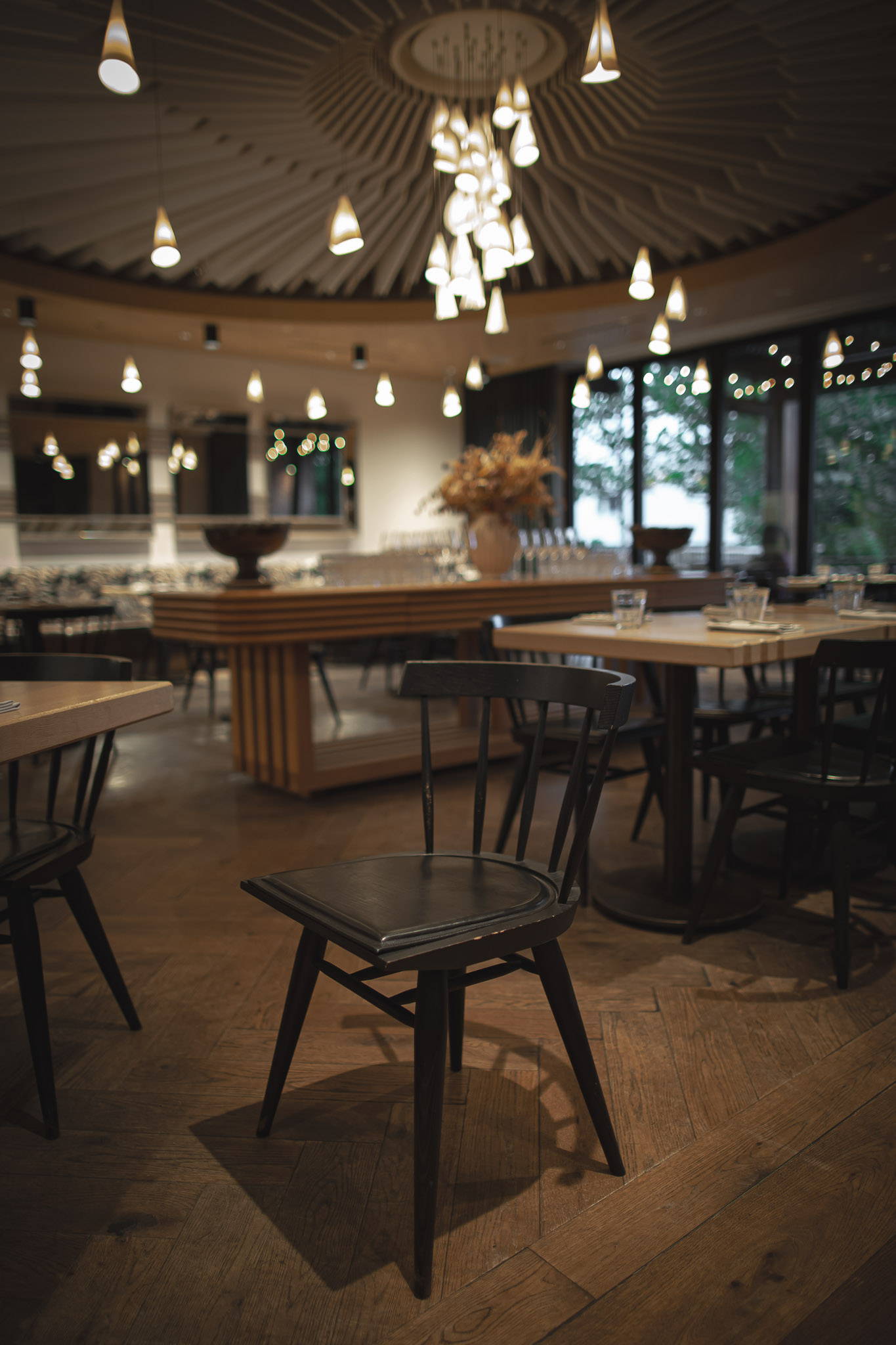
They looked like they belonged.
The Royal remains a meticulously considered space, and the Edwin chairs held their own in it. They were immediately recognizable as ours, yet woven into the room around them.
Sitting in one felt familiar too. The crest rail still gave that expected hug around the back, with the same comfort that makes the Edwin a chair you can settle into for a long meal.
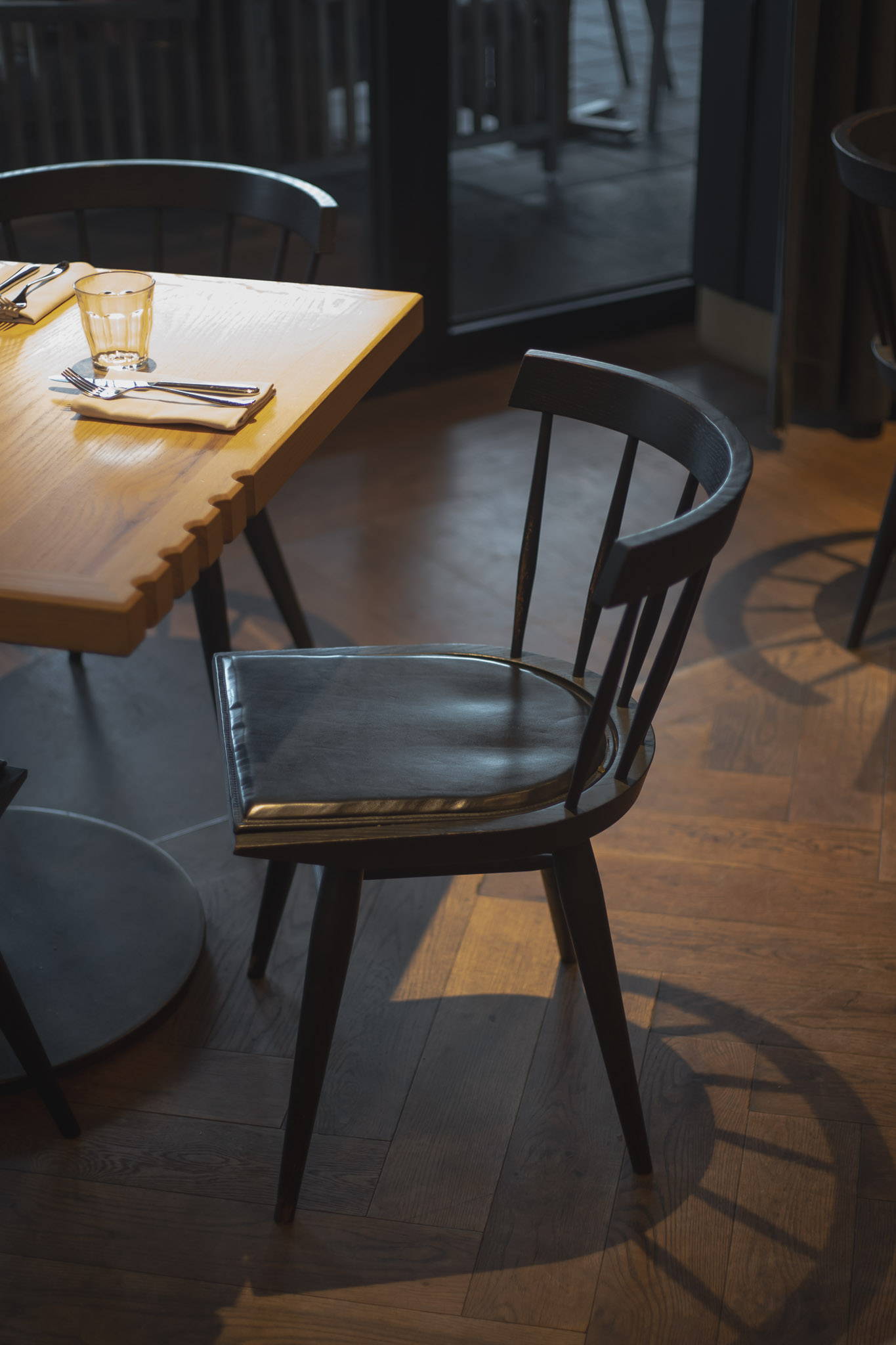
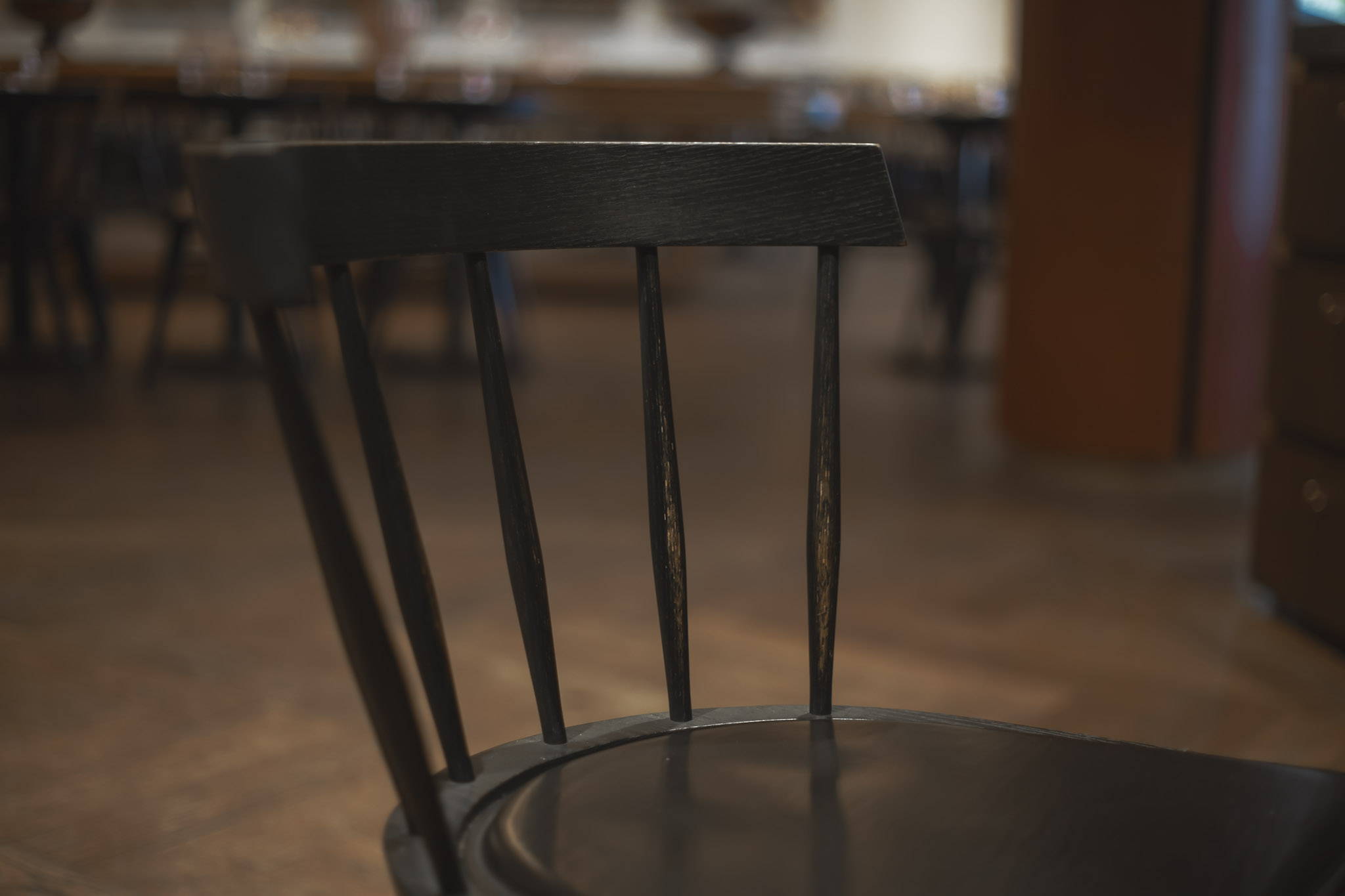
You had to look closely to see the wear. Along the crest rail and spindles, a subtle patina had formed where hands had reached, pulled and adjusted. The chairs had been sat in, moved, cleaned around and relied on, service after service. They were simply doing their job.
Designing for How It Would Be Used
When Sol Korngold, General Manager of The Royal, requested the Edwin for the dining room, he chose an existing chair from our collection because it suited the vision of the space. We wanted to make sure it upheld that vision.
The Royal is an 1879 landmark, restored over many years by Giannone Petricone Associates (GPAIA) with conservation consultation from ERA Architects.
The design was rooted in sprezzatura, the art of making something difficult look effortless.
The Edwin was an intuitive fit: it's a contemporary take on the Windsor chair, the archetype of longevity. The wedged through-tenons at the seat and brass peg reinforcement at the crest rail are understated but purposeful. Like the stitching on a bespoke suit, they speak to the quality of the chair without trying too hard.
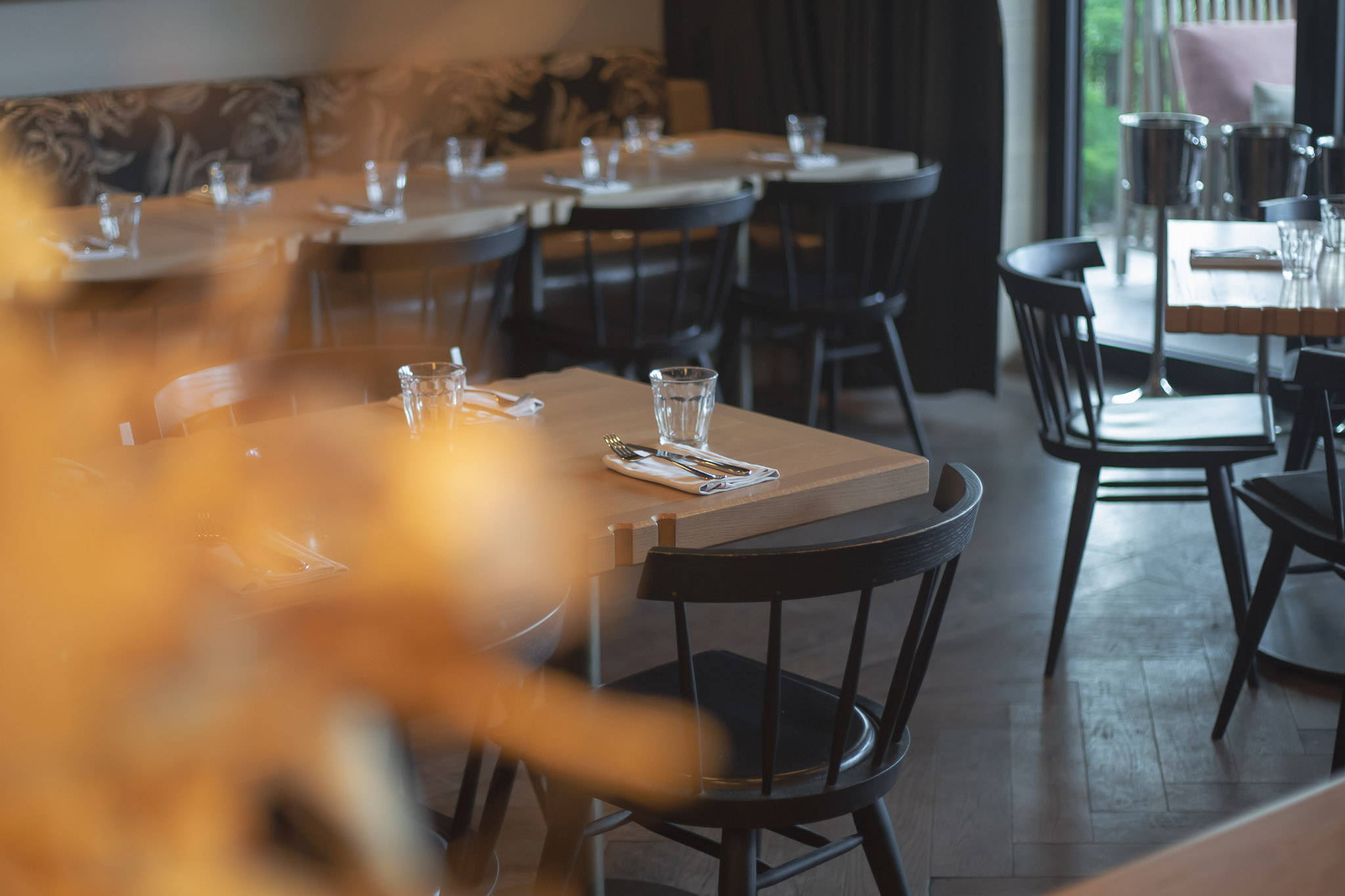
The Edwin had some hospitality use behind it and a proven track record in residential settings, but we didn't yet know the conditions it would face here. How many seatings would it bear? How would it be cleaned, stored and moved in regular and irregular operations?
The goal was a chair resilient to as many of those unknowns as possible. The one real vulnerability we found was the leg joint. The wedged through-tenon construction on the standard Edwin is mechanical, and when executed with tight tolerances it can withstand a lot of repeated force. Its one weakness is the percussive force of being dropped from height
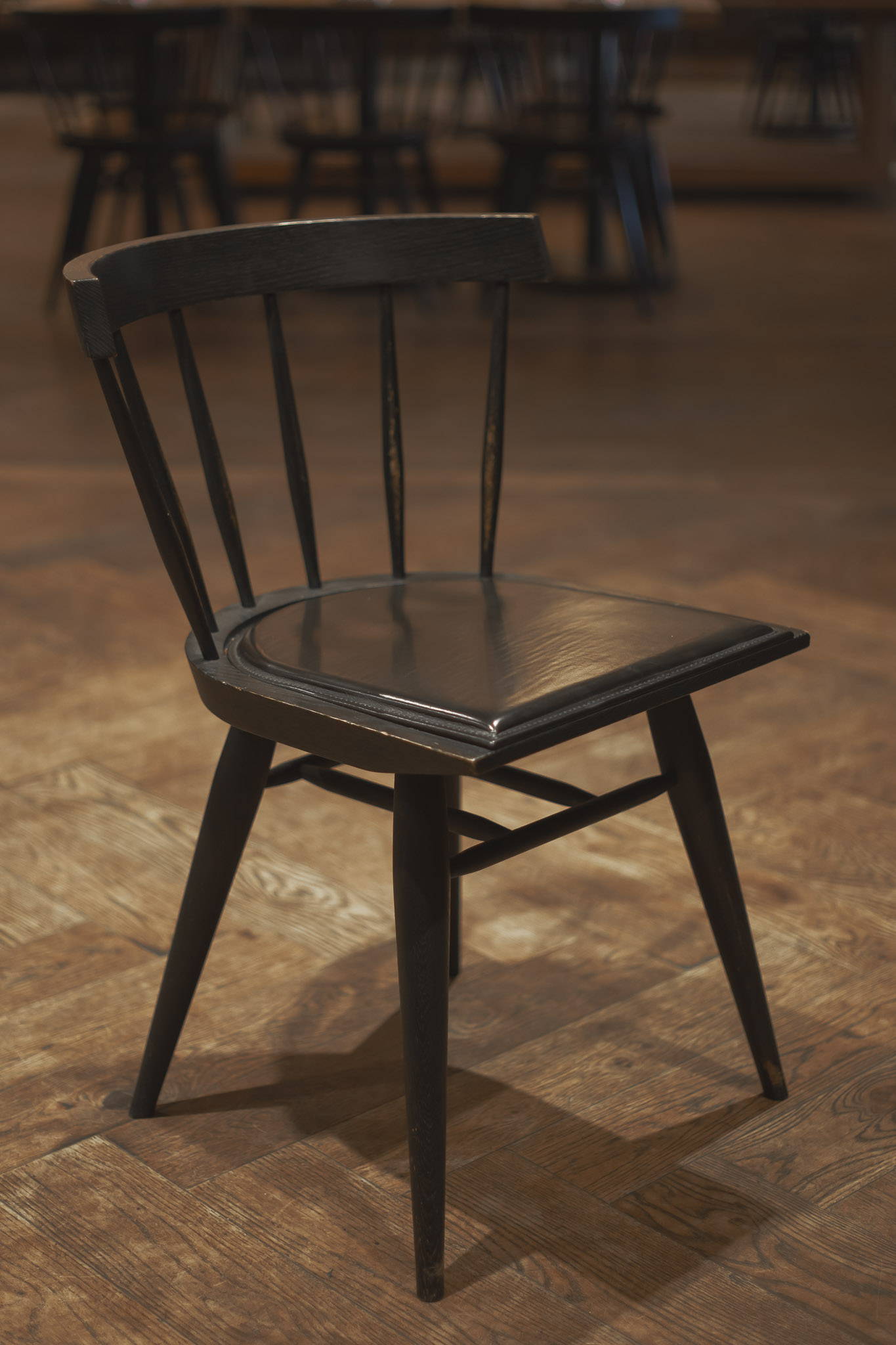
Bracing the four legs to each other triangulates the structure and distributes that force across all four joints.
We kept the adaptation visually minimal so it stayed cohesive with the rest of the chair. The chair could now absorb the mishandling a busy dining room invites.
What Held Up
The original 57 Edwin chairs remain in daily use at The Royal. For a restaurant seating a high volume of people, that matters.
When we asked Sol how the chairs had held up, his response was simple:
"Not a single loose leg!"
The hotel added 12 more to their collection in 2024 to accommodate more guests.
Looking around the restaurant, the chairs reflected much of what he'd told us. They were still in use, still comfortable and still at home in the space. There had been no need for repairs or refinishing. These weren't chairs that had been preserved from use. They had aged through it, without losing what made them Edwin chairs in the first place.
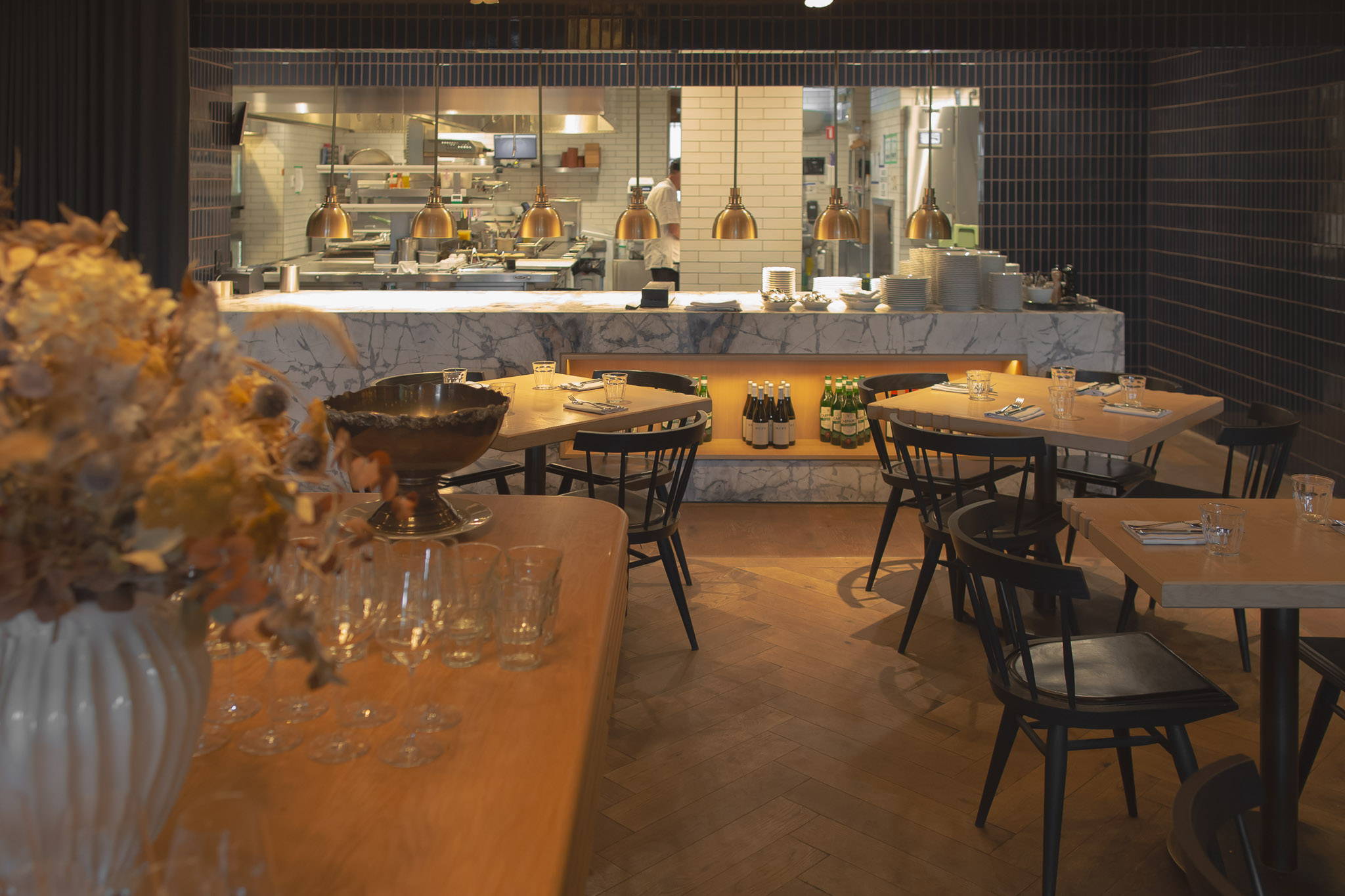
Going back made the idea of "built to last" feel tangible. The joinery, the reinforcement and the decisions made when the chairs were built weren't just things we could talk about anymore. We could see what they looked like in furniture that was still being used every day.
Quality and integrity are ideas we talk about when something is new. Time gives us another way to understand them.
The Royal has shown us one version of what it means to age well. Other pieces, materials and places will show us something different. That's why we'll keep going back.
Project Credits
The Royal Hotel, Picton, Ontario
Interior Design: Giannone Petricone Associates (GPA)
Conservation Consultation: ERA Architects
Photography: William Bache
Furniture Design & Fabrication: Coolican & Company
Project and historical context informed by The Royal Hotel, Giannone Petricone Associates (GPA) and ERA Architects.
Explore the Edwin Dining Chair →